

A small leak, an incorrectly sized valve or a material that is not suited to the operating conditions can compromise the performance of an entire irrigation network. That is why the reliability of an installation depends not only on the system design but also on the quality and compatibility of the components that make it up.
Why Reliability Matters in an Irrigation System
A reliable irrigation system ensures a consistent water supply, reduces maintenance issues and extends the service life of the equipment throughout the network.
Much More Than Moving Water
In any irrigation system, water must reach its destination with the required flow rate and pressure. When one of the components fails, the consequences quickly become apparent: water leaks, reduced performance, breakdowns or more frequent maintenance.
Reliability does not depend on a single component. Every valve, fitting, connection and section of pipe affects the overall performance of the installation. For this reason, selecting the right materials and ensuring compatibility between components are critical from the very first stages of the project.
Operating Conditions Require Components Built to Last
Irrigation systems often operate continuously for long periods and are exposed to conditions that directly affect the performance of their materials.
Pressure, Temperature and Outdoor Exposure
Operating pressure does not always remain constant. Variations in flow rate, opening and closing operations or the use of pumping equipment can create pressure fluctuations throughout the network.
Environmental conditions also play an important role. Many installations are permanently exposed to sunlight, moisture, temperature changes and continuous contact with water. In agricultural applications, landscaped areas and hydraulic distribution systems, these conditions are part of everyday operation.
For this reason, it is advisable to use components specifically designed for these environments and capable of maintaining their performance over time.
The Role of Valves in Flow Control
Valves play a vital role in every irrigation and water distribution system.
Control, Regulation and System Protection
Their main function is to manage the flow of water throughout the installation. They allow individual sections to be opened or closed, isolate parts of the system for maintenance and regulate operating conditions.
Depending on the application, installations may include ball valves, check valves, pressure reducing valves or other specialised solutions designed to control the hydraulic performance of the network.
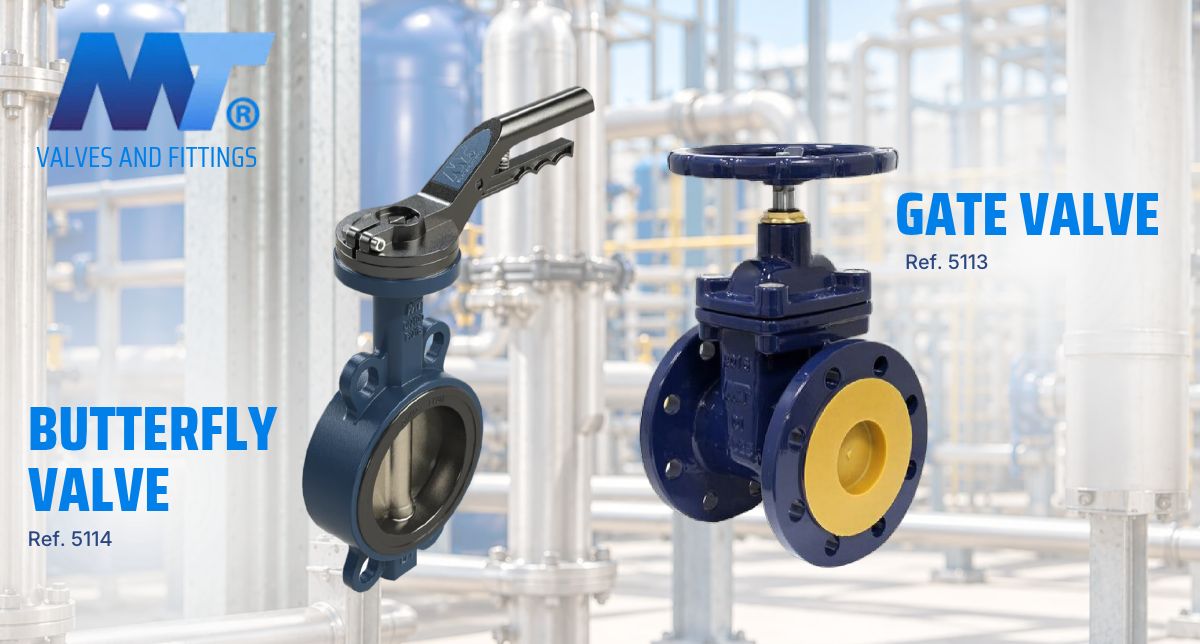
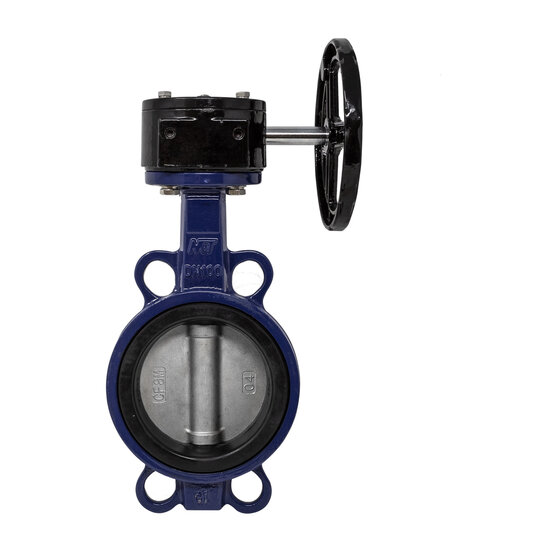
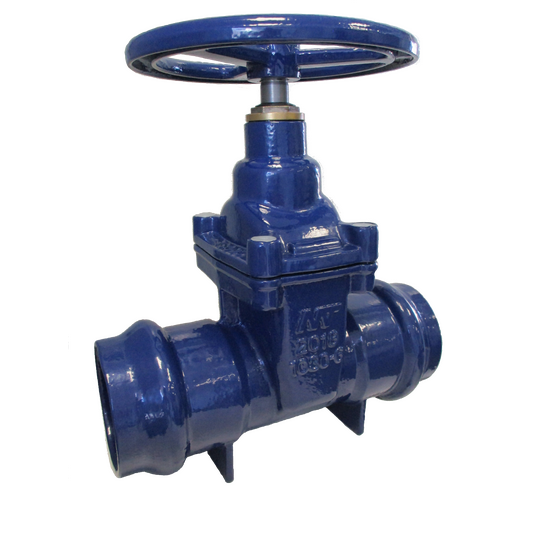
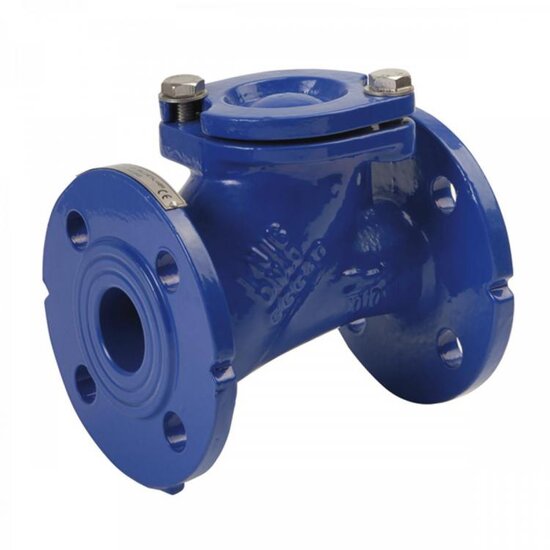
In agricultural irrigation systems and large diameter hydraulic networks, cast iron valves are among the most widely used solutions. This range includes butterfly valves, gate valves, check valves and Y strainers, all designed to handle high flow rates. They are typically protected with an internal and external epoxy coating to resist corrosion. Depending on the model, internal components may be manufactured from stainless steel, coated cast iron or other engineered materials that enhance durability and long term performance.
How to Prevent Leaks and Reduce Maintenance Issues in an Irrigation System
Leaks and pressure losses are often related to the quality of the connections and the selection of the components installed throughout the network.
The Importance of Secure Connections
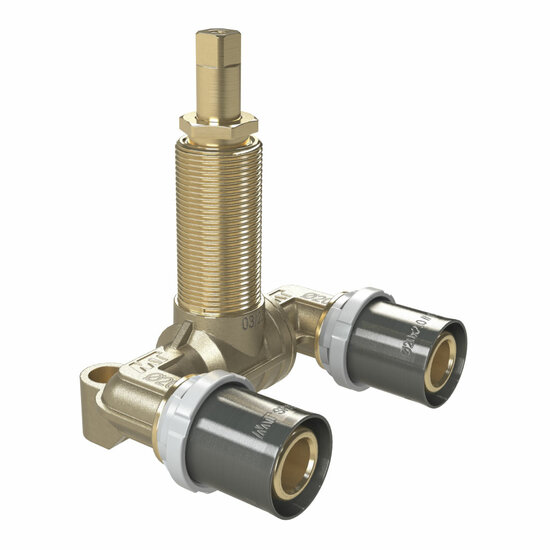
Elbows, tees, couplings, unions, adaptors and reducers make it possible to configure the pipeline layout and adapt the network to the specific requirements of each project.
Although they may seem like minor components, a significant number of leaks originate precisely at these connection points.
A watertight system depends on factors such as manufacturing quality, correct installation and compatibility between connected components. When these aspects are considered from the outset, the system performs much more reliably.
Pressure losses can also result from unsuitable components, the accumulation of debris or unnecessary restrictions within the pipeline. Selecting the right fittings and connections helps minimise these risks and maintain system efficiency.
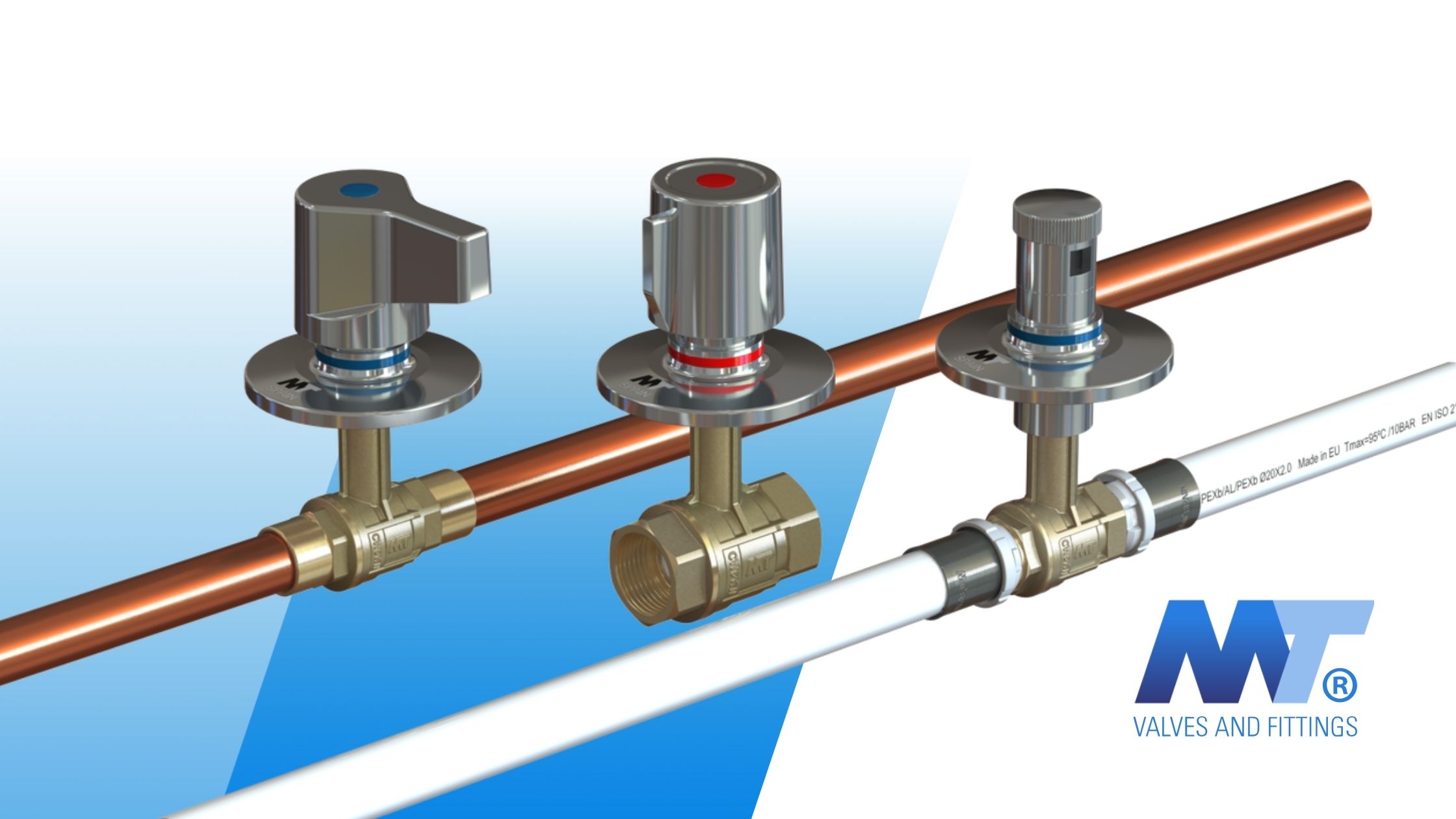
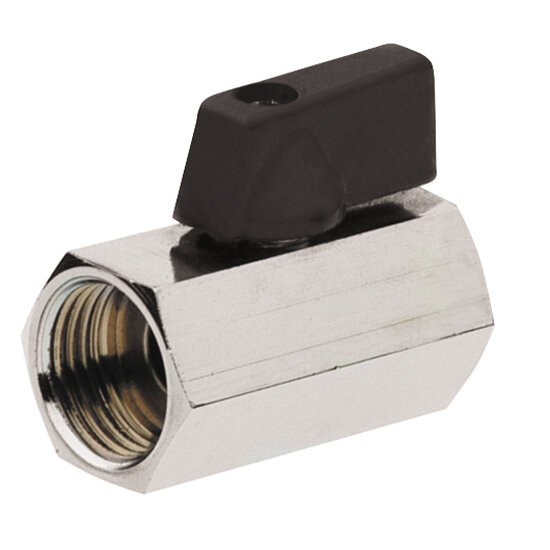
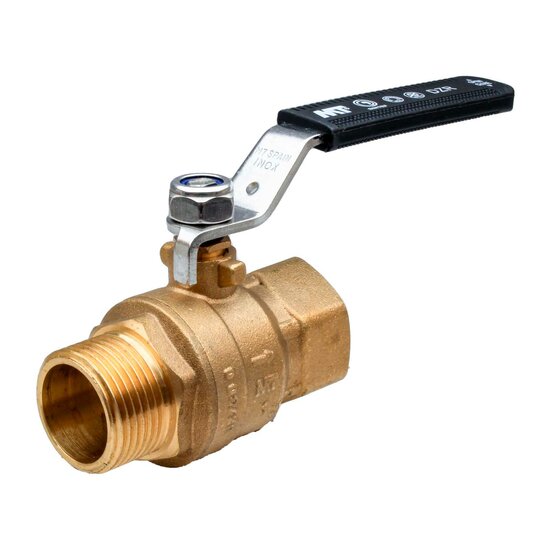
In smaller installations, such as gardens, landscaped areas and secondary distribution networks, brass ball valves provide a fast and reliable solution for opening and shutting off the water supply. Their ease of installation and excellent sealing performance make them one of the most widely used solutions for manifolds, irrigation systems and small diameter pipelines.
Component Compatibility Also Affects System Performance
The combination of materials, connections and control components has a direct impact on the stability and durability of the installation.
A Key Consideration During the Design Stage
Pipes, valves and fittings should always be selected with consideration for the characteristics of each material and the specific requirements of the installation.
Incompatibility can lead to sealing problems, installation difficulties or premature wear of certain components.
For this reason, it is advisable to use solutions designed to work together and always verify that each component is suitable for the actual operating conditions.
Materials Designed for Long Term Performance
Common materials used in irrigation systems include:
• Brass: widely used for valves and fittings due to its mechanical strength and durability.
• Stainless steel: ideal for applications operating under particularly demanding conditions.
• PVC y polietileno: Widely used in water distribution systems due to their lightweight construction, corrosion resistance, and ease of installation. In these types of networks, PVC ball valves are commonly used in agricultural irrigation systems, swimming pools and small hydraulic networks, where they provide reliable performance and require minimal maintenance.
The most suitable material will depend on factors such as operating pressure, the installation environment and the specific requirements of each project.
Recommendations for Extending the Service Life of an Irrigation System
The efficiency of an irrigation network depends not only on the quality of its components but also on proper design, installation and maintenance.
Some of the most common recommendations include:
• Use compatible components throughout the installation.
• Select materials suitable for the expected operating conditions.
• Regularly inspect connections, valves and control components.
• Replace worn components before they cause more significant problems.
These measures help maintain stable operation and reduce the likelihood of failures over time.
MT Components for Irrigation and Fluid Handling Systems
Irrigation systems require components capable of operating continuously under a wide range of service conditions. MT Valves and Fittings offers a comprehensive range of solutions for these applications, from cast iron valves for large diameter hydraulic networks to brass ball valves for residential installations and PVC ball valves for agricultural irrigation, swimming pools and small water distribution systems.
Solutions Designed for Hydraulic Networks
In addition to these valve ranges, the MT catalogue includes fittings for polyethylene pipes, control valves, brass components and a wide variety of connection solutions designed to complete hydraulic installations safely and efficiently.
Using compatible components throughout the system helps improve sealing performance, reduce maintenance issues and extend the overall service life of the installation.